

A butter-based pastry encloses a cooked beef, onion, and cumin filling in these baked empanadas. Chilling the dough and cooling the filling are separate jobs, and both help with assembly. Hot filling softens the butter in the pastry, while cold dough is easier to roll and seal without stretching.
Before you start
Measure the flour without packing it tightly into the cup and keep the butter diced and cold. Add the measured water gradually so you can see when the dough comes together. Choose a consistent disc size so the pastries bake evenly, and avoid rolling some much thicker than others.
Cook the filling before assembling. It should be moist enough to eat but not sitting in loose liquid or fat. Let it cool enough that it will not melt the pastry butter on contact. Use ground beef for this version instead of switching between meats with different cooking requirements.
ROMANIV · Recipe card
Baked Beef Empanadas
Ingredients
Check off ingredients as you prepare your workspace.
- 2 cups all-purpose flour
- 1/2 cup unsalted butter, chilled and diced
- 1/2 teaspoon salt for dough
- 1/4 cup cold water
- 1 lb ground beef
- 1 medium onion, finely chopped
- 2 garlic cloves, minced
- 1 teaspoon cumin
- Salt and pepper for filling
- 1 egg, beaten, for brushing
- A little cooking oil if needed for the skillet
Step-by-step method
- Mix flour and 1/2 teaspoon salt. Cut in the cold diced butter until the mixture forms coarse crumbs.
- Add the cold water gradually and gather the dough without kneading extensively. Cover and refrigerate while preparing the filling.
- Cook onion and garlic in a suitable skillet until softened, using a small amount of cooking oil if your pan requires it.
- Add ground beef, cumin, salt, and pepper. Break it up and cook to 160°F. Drain excess fat and let the filling cool.
- Roll the chilled dough, cut equal circles, and add a modest amount of filling. Fold and seal the clean edges firmly.
- Preheat the oven to 400°F. Arrange on a baking sheet and brush with beaten egg.
- Bake for about 20 minutes, adjusting for size, until the pastry is cooked and golden. Rest briefly before serving.
Common mistakes and how to avoid them
The edges open in the oven: excess filling or grease on the rim can prevent a seal. Keep the border clean, press it firmly, and crimp with a fork. Do not stretch a small disc around a large mound of meat.
The pastry feels greasy and tears: it may have warmed while you rolled the other pieces. Chill it briefly and work in smaller batches. Extra flour scattered repeatedly over warm dough can make the baked crust tougher.
The filling is dry: drain only excess fat and avoid cooking the already-cooked beef for a long time while waiting for the dough. The oven stage finishes the pastry; the filling should not enter it as burnt, dry crumbs.
Serving and making ahead
Let the empanadas stand briefly before eating because the enclosed filling is hot. Serve with salsa on the side instead of pouring sauce over the pastry. Cool and refrigerate leftovers promptly. Their crust will soften in storage; reheating in an oven gives a different result from warming under a damp cover.
Are these fried empanadas?
No. This source uses an egg wash and a 400°F oven. The supplied photo is illustrative and should not be used to promise the exact appearance of a fried crust.
Can I use chicken instead?
Ground poultry requires a different safe cooking endpoint. This rewritten version keeps beef throughout to make the method consistent.
Why chill the dough?
It helps the butter remain firm and makes the pastry easier to handle. If the dough becomes sticky while shaping, pause and chill it instead of forcing the process.
Reference: FoodSafety.gov cooking-temperature guidance.
You might also enjoy
View collection →
Air Fryer Texas Toast Pizza
Thick Texas toast becomes a quick pizza base with sauce and mozzarella in the air fryer. The short method works…
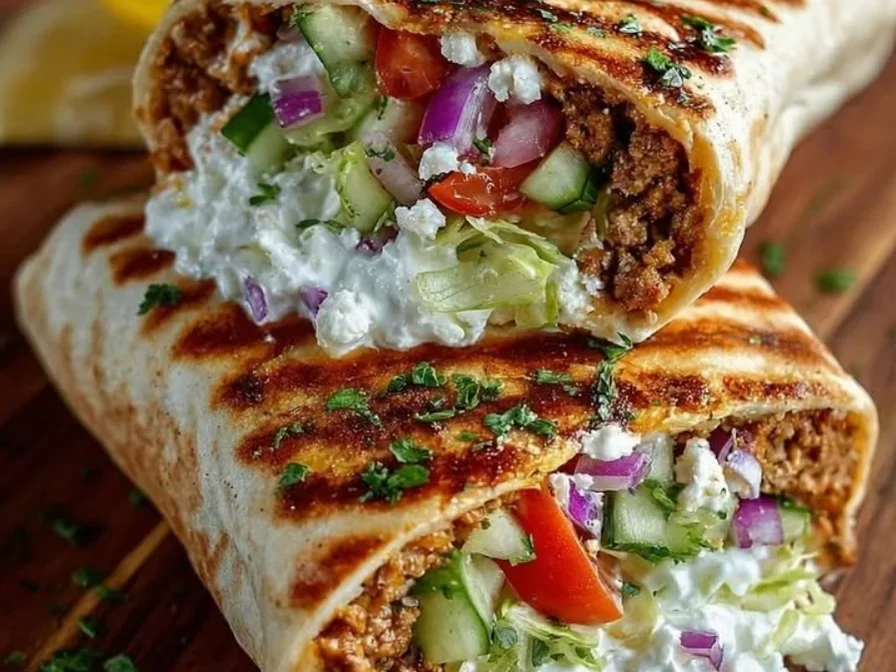
Loaded Chicken Flatbread Wraps with Hot Honey Feta
Seasoned ground chicken, fresh vegetables, and hot-honey feta cream fill these flatbread wraps. The creamy layer helps distribute flavor across…

Creamy Broccoli and Chicken Penne
Chicken, broccoli, and penne are coated in a Parmesan cream sauce for this skillet meal. The broccoli should be tender…