

Shrimp and scallops share a cream-and-Parmesan sauce with fettuccine in this Cajun-style pasta. The seafood cooks first and returns only at the end, which helps prevent it from simmering through the entire sauce-making stage. Shrimp and scallops do not always finish together, so remove each as it becomes opaque rather than treating them as identical pieces.
Before you start
Pat thawed seafood dry before it reaches the skillet. Excess surface water makes it harder to brown and can thin the cream sauce. Remove the small tough side muscle from scallops if present, and make sure the shrimp are peeled and deveined.
Read the Cajun seasoning label before adding extra salt. Some blends are heavily salted and others are not. Parmesan adds further salt, so season in stages. Grate the cheese finely and keep the cooked pasta ready to toss soon after the sauce comes together.
ROMANIV · Recipe card
Creamy Cajun Shrimp and Scallop Alfredo
Ingredients
Check off ingredients as you prepare your workspace.
- 8 oz fettuccine
- 1 lb shrimp, peeled and deveined
- 1 lb scallops
- 2 tbsp Cajun seasoning
- 2 tbsp olive oil
- 2 cups heavy cream
- 1 cup grated Parmesan cheese
- 4 cloves garlic, minced
- to taste Salt and pepper
- to taste Chopped parsley
Step-by-step method
- Cook the fettuccine according to its package, reserving a little pasta water before draining.
- Pat shrimp and scallops dry. Heat olive oil in a large skillet and cook seafood in batches if needed, seasoning with Cajun spice.
- Cook until flesh is opaque and pearly or white throughout, approximately 3–5 minutes depending on size. Remove each type when done.
- Lower the heat as needed. Cook garlic briefly without burning, then add cream and bring to a gentle simmer.
- Stir in Parmesan at gentle heat until smooth. Taste before adding salt and pepper.
- Toss in pasta and return the seafood briefly to warm. Loosen with a small splash of pasta water only if needed.
- Finish with parsley and serve immediately.
Common mistakes and how to avoid them
Rubbery seafood: leaving the shrimp and scallops in the pan while reducing cream keeps cooking them. Remove finished pieces promptly, then return just long enough to warm with the pasta.
A pale, watery skillet: wet seafood or too many pieces at once can cause steaming. Work in batches if the pan is crowded, dividing the oil between them rather than piling everything into a small skillet.
A gritty sauce: add Parmesan at gentle heat, stirring until it melts. Boiling hard after the cheese goes in can produce an unpleasant texture. Do not use extra salt as a fix for a sauce that needs better mixing.
Serving and making ahead
Serve immediately in warm bowls because the sauce thickens as it stands. Add chopped parsley at the end. If the sauce needs loosening during tossing, use a small splash of reserved pasta water and reassess; do not pour in a full cup automatically. Keep the seafood visible rather than breaking it up while mixing.
Can I use only shrimp?
That changes the seafood balance, but the same principle of removing cooked pieces applies. Do not assume a larger batch will cook evenly in a crowded pan.
Can I replace cream with milk?
Milk will not thicken like heavy cream in this method. A lighter sauce needs its own adjustment, not a direct substitution with the same cooking expectations.
How do I know the seafood is done?
Shrimp and scallops should be opaque and pearly or white throughout. The timing estimate of 3–5 minutes depends on size; check the pieces rather than relying only on time.
Reference: FoodSafety.gov cooking-temperature guidance.
You might also enjoy
View collection →
Air Fryer Texas Toast Pizza
Thick Texas toast becomes a quick pizza base with sauce and mozzarella in the air fryer. The short method works…
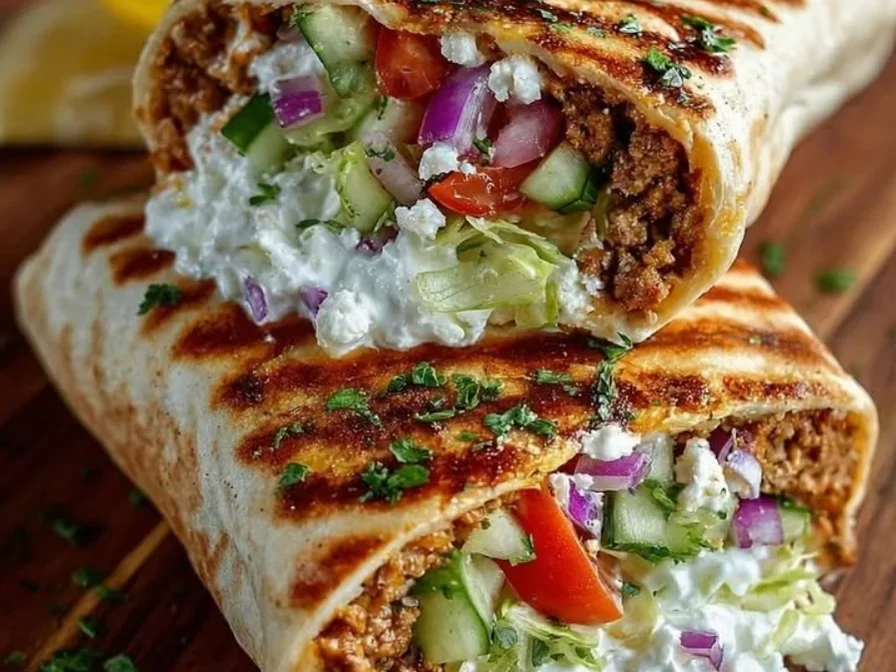
Loaded Chicken Flatbread Wraps with Hot Honey Feta
Seasoned ground chicken, fresh vegetables, and hot-honey feta cream fill these flatbread wraps. The creamy layer helps distribute flavor across…

Creamy Broccoli and Chicken Penne
Chicken, broccoli, and penne are coated in a Parmesan cream sauce for this skillet meal. The broccoli should be tender…